Natural Resources and Commodities
Natural Resources and Commodities refer to the raw materials and primary goods that are essential for economic activity and industrial processes. These include substances like oil, gold, wheat, water, and diamonds, which are traded globally and play a critical role in various industries. Understanding these resources is vital for businesses, investors, and policymakers who seek to manage supply chains, assess market trends, and make informed decisions.
The concept of Natural Resources and Commodities extends beyond just the physical materials themselves. It encompasses the systems and practices involved in their extraction, distribution, and utilization. This includes everything from mining operations and agricultural production to energy generation and environmental conservation efforts. As such, it is a multifaceted topic that intersects with economics, environmental science, and global trade.
Why Someone Might Be Interested in Natural Resources and Commodities
Individuals and organizations may be drawn to Natural Resources and Commodities for a variety of reasons. Investors often look to commodities as a way to diversify their portfolios and hedge against inflation. For example, gold is frequently seen as a safe-haven asset during times of economic uncertainty. Similarly, oil and gas remain central to energy markets, influencing everything from transportation to manufacturing.
Businesses involved in agriculture, mining, or energy production also have a vested interest in understanding the dynamics of Natural Resources and Commodities. They need to monitor price fluctuations, supply chain disruptions, and regulatory changes that could impact their operations. Additionally, environmental groups and researchers study these resources to develop sustainable practices and policies that balance economic growth with ecological preservation.
Benefits and Considerations
There are several benefits to engaging with Natural Resources and Commodities. One key advantage is the potential for long-term value creation. Commodities can offer stable returns, especially when managed through diversified investment strategies. Moreover, they provide a tangible link to the physical economy, which can be reassuring in volatile financial markets.
However, there are also challenges to consider. The prices of commodities can be highly volatile, influenced by factors such as geopolitical tensions, weather patterns, and technological advancements. This volatility can lead to unpredictable returns, making it important for investors to carefully assess risk tolerance and market conditions.
Another consideration is the environmental impact associated with resource extraction and consumption. While natural resources are essential, their exploitation can lead to deforestation, pollution, and habitat destruction. This has prompted increased scrutiny and the development of more sustainable practices, such as recycling and renewable energy initiatives.
Situations Where Natural Resources and Commodities May Be a Strong Fit
Natural Resources and Commodities can be an excellent fit for individuals or organizations looking to invest in tangible assets or support industries with long-term growth potential. For instance, companies in the energy sector may find value in securing stable supplies of oil, gas, or minerals to ensure operational continuity. Similarly, agricultural businesses may benefit from understanding commodity price trends to optimize crop production and sales strategies.
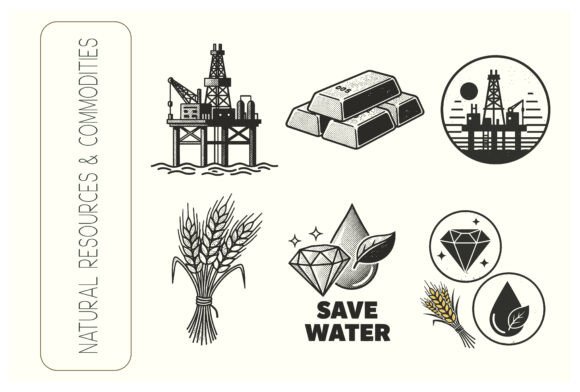
In the context of environmental reporting, Natural Resources and Commodities can help illustrate the relationship between economic activity and ecological sustainability. Infographics and visual representations, such as retro halftone industrial icons, can effectively convey complex data and highlight the importance of responsible resource management.
Situations Where Alternatives May Be Worth Considering
While Natural Resources and Commodities offer significant opportunities, there are scenarios where alternatives may be more appropriate. For example, investors seeking lower-risk options might prefer stocks, bonds, or real estate over commodity-based investments. These alternatives often provide more predictable returns and require less direct involvement in market fluctuations.
Additionally, individuals focused on sustainability may explore alternative materials or energy sources to reduce their environmental footprint. Renewable energy technologies, such as solar and wind power, are increasingly viable options that can complement traditional resource-based industries. By considering these alternatives, stakeholders can create more balanced and resilient business models.
Practical Decision-Making Insights
When evaluating whether Natural Resources and Commodities align with your goals, it's important to start with a clear understanding of your objectives. Are you looking for investment opportunities, operational efficiency, or environmental stewardship? Each of these priorities will influence the types of resources and strategies that are most relevant to your needs.
Conducting thorough research and consulting with experts can also help you make informed decisions. This includes analyzing market trends, assessing regulatory environments, and exploring innovative solutions that address both economic and ecological concerns. By taking a proactive approach, you can better navigate the complexities of Natural Resources and Commodities and identify the best path forward.
Ultimately, the decision to engage with Natural Resources and Commodities should be based on a comprehensive evaluation of your specific circumstances. Whether you're an investor, business leader, or researcher, understanding the interplay between these resources and broader economic and environmental factors is essential for making strategic choices that support long-term success.